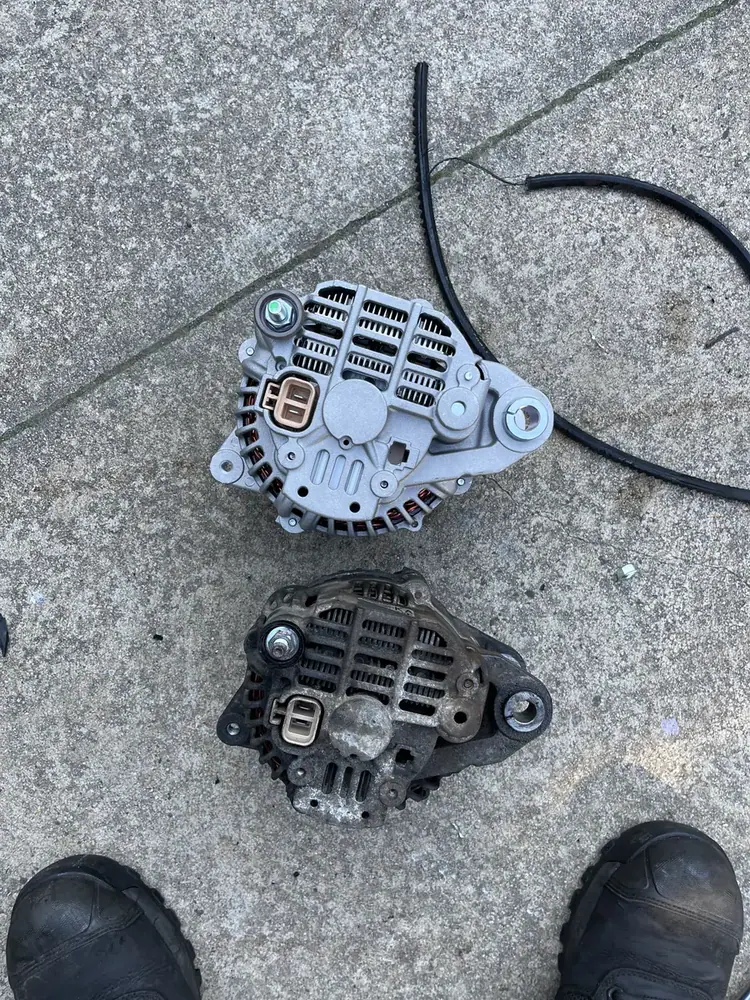
1. The battery warning light stays on
The battery-shaped warning light usually relates to the charging system rather than confirming that the battery itself has failed. It may appear when alternator output is low, the drive belt is slipping or a charging connection is faulty.
If the light remains on while driving, reduce unnecessary electrical loads and arrange testing promptly. The vehicle may continue running only while sufficient battery power remains.
2. The battery repeatedly goes flat
A battery that needs repeated jump-starts may be weak, but it may also be receiving insufficient charge. Replacing the battery without checking charging voltage can leave the original fault unresolved.
Battery condition, alternator output and unwanted electrical drain are different possibilities. The test results should guide the repair rather than the symptom alone.
- The vehicle starts after a jump but will not restart later
- A recently replaced battery becomes discharged
- Starting becomes slower after short trips
3–5. Dim lights, unusual electrical behaviour or stalling
Headlights that pulse or become dim, dashboard systems that reset and accessories that operate unpredictably can occur when system voltage is unstable. Some vehicles may also run poorly or stall once battery reserve is depleted.
These symptoms are not exclusive to the alternator. Loose terminals, damaged cables, belt problems and other electrical faults can affect the result, which is why the visible connections and drive system should be inspected as part of the diagnosis.
- Headlights brighten and dim with engine speed
- Dashboard displays or accessories reset unexpectedly
- The engine stalls after starting or while driving
6–7. Belt noise or a burning electrical smell
A worn, loose or damaged drive belt may prevent the alternator from operating correctly and can create squealing or chirping noises. A seized pulley or overheating electrical connection may also produce an unusual smell.
Stop driving if smoke appears, the belt fails, steering suddenly becomes heavy or the engine temperature rises. On many vehicles, one drive belt operates several important components.
What an alternator diagnosis should include
A sensible charging-system check considers the battery state, terminals, drive belt, visible wiring and alternator output. Vehicle details and the exact symptoms help determine which tests are appropriate.
For a vehicle parked at a suitable St Kilda, St Kilda East or Elwood location, mobile testing may identify whether the alternator, battery, belt or another connection needs attention before replacement parts are approved.
- Battery condition and terminal security
- Charging voltage and output
- Drive-belt condition and tension
- Visible charging cables, fuses and connections