Recognise the early warning signs
The temperature gauge climbing above its normal position is an obvious warning, but coolant smells, heater performance changing and small leaks can appear earlier. Treat a red temperature warning or visible steam as urgent.
- Temperature gauge rising or red warning displayed
- Steam from the engine bay
- Sweet coolant smell inside or outside the vehicle
- Coolant puddle or repeated coolant loss
- Cabin heater suddenly blows cold while the engine is hot
Stop safely and switch the engine off
Move out of traffic when it is safe, select a secure parking position and switch the engine off. Continuing to drive an overheating vehicle can distort cylinder-head components, damage gaskets and turn a leak or failed thermostat into a much larger repair.
If the vehicle is in an unsafe position, prioritise personal safety and roadside assistance. Do not stand in moving traffic to inspect the car.
Never remove a hot cooling-system cap
A hot cooling system can remain under pressure. Removing a radiator or coolant-reservoir cap too early may release boiling coolant and steam, causing severe burns.
Allow the engine to cool completely before any level check. Even then, coolant loss needs a cause; topping up the system without finding the leak or circulation problem may only provide temporary relief.
Common causes a mechanic may investigate
Cooling-system faults have several possible sources, and the visible leak is not always the only issue. Testing and inspection help determine whether the vehicle is suitable for an on-site repair or needs workshop equipment or towing.
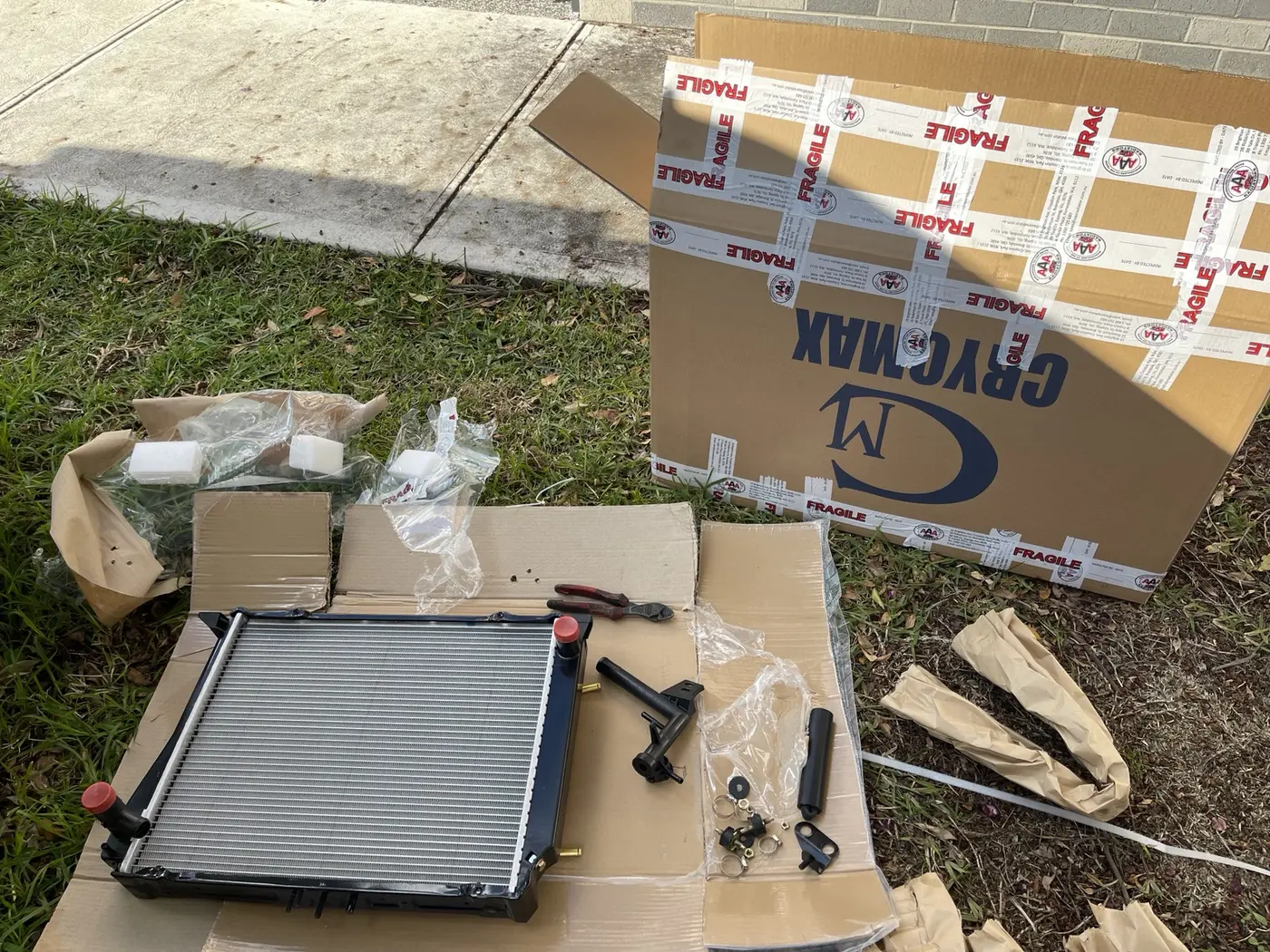
- Split radiator, hose or plastic coolant fitting
- Failed thermostat or thermostat housing
- Cooling fan not operating correctly
- Water-pump, pressure-cap or circulation problem
- Internal engine or head-gasket concern
Information to send when requesting mobile help
Provide the vehicle make, model and year, the exact St Kilda or Melbourne location, where the temperature gauge reached and whether coolant or steam was visible. Photos of the leak area or dashboard warning can help with initial preparation.
The vehicle should be parked on firm, level ground with safe working room. A mobile repair can only proceed when the fault, access and cooling-system condition make on-site work appropriate.